|
Philharmonic Symphonia's coming together
By Lawrence A. Johnson
Classical Music Writer
Wednesday, December 21, 2005
The Boca Raton Philharmonic Symphonia opened its first season with
a worthy showing last month, though the new ensemble's debut was not
without its scrappy moments.
In its second concert Sunday afternoon at Florida Atlantic University
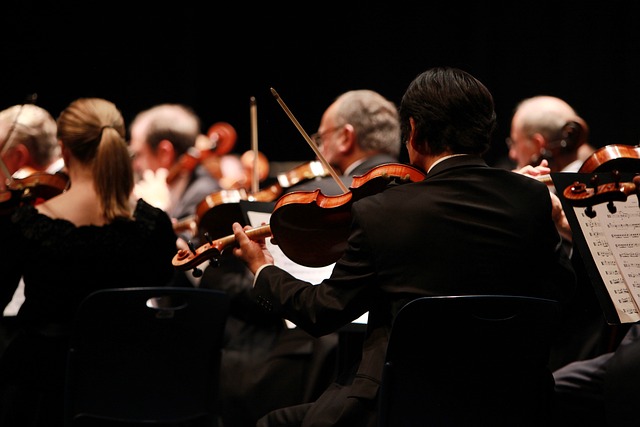
the fledgling chamber orchestra, made up largely of Florida Philharmonic
veterans, took a decisive step forward. There was greater ensemble
cohesion, more polish and added character to solo passages. Work
remains to be done, not least with the horns, which had another
less-than-stellar outing. But with another large and appreciative
audience in attendance, the Symphonia appears to be on track.
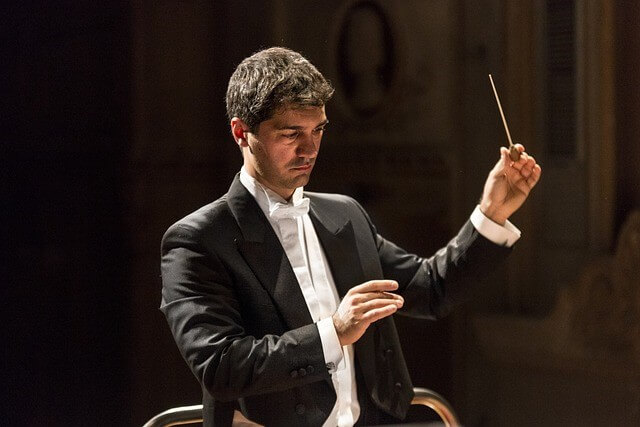
The high caliber of the two guest artists, conductor Alastair Willis
and pianist Mei-Ting Sun, contributed much to the afternoon's success.
Winner of the 2005 Chopin Piano Competition and currently a student
at Juilliard, the 21-year-old pianist more than lived up to his
advance billing with an impressive performance of Beethoven's Emperor
Concerto.
Sun has a commanding technique and, though not infallible on Sunday,
his incisive articulation and youthful energy brought welcome freshness
and vitality to this mighty warhorse. At times in the first movement,
Sun's quicksilver agility seemed to take a lightweight view of the
drama, perhaps in keeping with the small orchestral chamber forces.
Also his extended pedaled hold of the Allegro's final chord proved
decidedly bizarre.
Yet cadenzas were turned with a nicely shaded individuality, and
Sun spun a tender, glowing solo line in the Adagio, with Willis
drawing notably refined string playing. The young soloist was at
his finest in the finale, dashing into the buoyant main theme with
bracing spirit and rhythmic flair, with Willis and the orchestra
providing equally swaggering support.
Inspired as the Beethoven was, Sun brought the house down with
his offbeat encore of Art Tatum's Tiger Rag, thrown off at a whirlwind
tempo, with torrential cascades of notes worthy of Tatum himself.
The Symphonia strings were in the spotlight for Aaron Jay Kernis'
Musica Celestis. Like Barber's Adagio for Strings, the music is
an expansion of the slow movement from a string quartet, and plumbs
a similar meditative inward expression, though one less elegiac
than Barber.
Willis displayed great finesse in sculpting this difficult score,
drawing extremely hushed playing and bringing out the rapt, unearthly
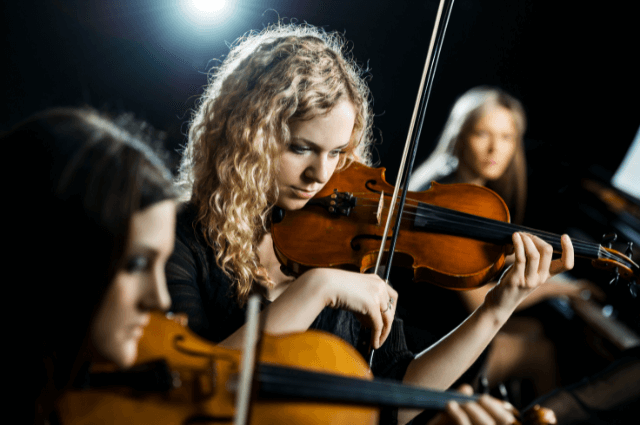
beauty of the music. Led by concertmaster Huifang Chen, the Symphonia
strings acquitted themselves well in the demanding exposed writing,
bringing out the crystalline radiance even with the violins ascending
to stratospheric heights.
If Kernis' celestial music hit the right seasonal note of ecumenical
spirituality, the suite from Stravinsky's ballet Pulcinella served
up an aptly festive closer. Willis showed himself an inspired Stravinskian,
bringing out the clever ingenuity of the composer's melding of Classical
form and manners with 20th century astringent wit.
The dances went with the requisite Terpsichorean elegance and buoyant
lilt, yet Willis ensured that the wry asides and mordant humor came
through delightfully. The Symphonia members served up much personality-plus
playing, particularly flutist Christine Nield-Capote and oboist
Erika Yamada, whose sinuous solos were delightful throughout.
Lawrence A. Johnson can be reached at ljohnson@sun-sentinel.com
or 954-356-4708.
Copyright (c) 2005, South Florida Sun-Sentinel.
Visit Sun-Sentinel.com
|